
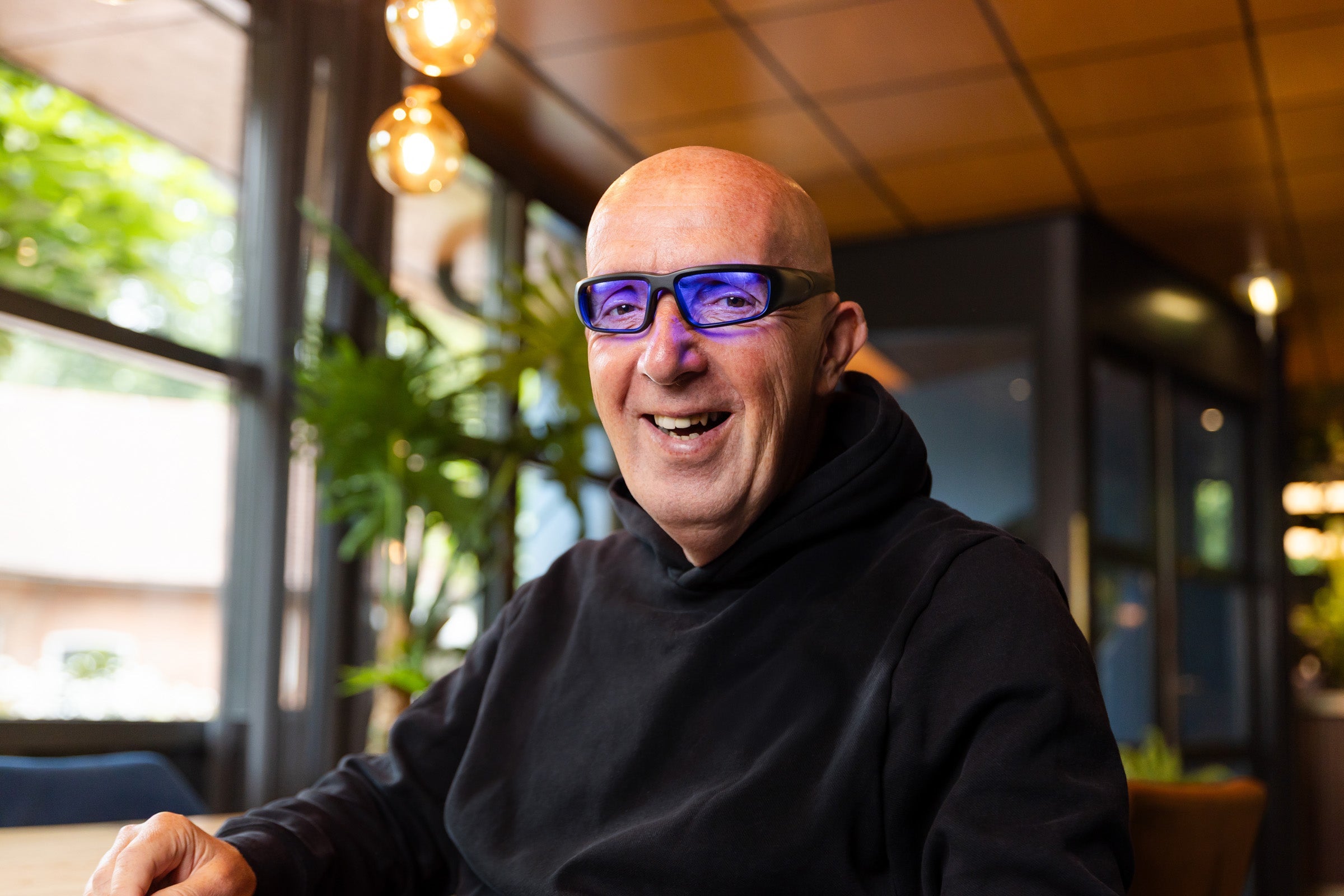
The Radboud University Medical Center in Nijmegen is conducting research into Parkinson's disease. In 2019, research was conducted into the possibilities of using blue light in Parkinson's patients. Blue light glasses have been introduced as a possible new method to treat sleep and mood disorders in patients with Parkinson's disease (PD). Assessing patient acceptance is an important first step towards formal testing and introduction into clinical practice. The results of the first phase were published in June in Parkinson's Disease (Hindawi) Volume 2019. Below is a summary and a link to the publication.
SUMMARY
Monochromatic blue light glasses have been introduced as a potential new method to treat sleep disorders in patients with Parkinson's disease. Assessing patient acceptance is an important step towards testing and introduction into clinical practice. 58 Parkinson's disease patients have used light glasses for at least one week. 74% of respondents reported subjective improvements in nocturnal sleep, daytime sleepiness, depressive symptoms, motor function, or a combination of these. All but one patient want to continue using the light glasses, mostly because they consider them a useful tool.
CONCLUSION
Portable light therapy with monochromatic blue light appears to have a positive effect on sleep, mood and motor symptoms in Parkinson's disease. Patients generally had a positive evaluation of the light glasses as a treatment for sleep and mood disorders. Much research has already been done into the relationship between light, sleep and Parkinson's disease. The studies offer hope with often remarkable results. Researcher Toine Schoutens is involved in studies into the effects of specific blue light in the bandwidth of the patented Propeaq glasses from Chrono Eyewear BV (Propeaq). The results of the first study were published in a peer-reviewed international journal in June 2019:
Blue Light Therapy Glasses in Parkinson's Disease Patients' Experience: Hindawi Parkinsons Disease:, Bastiaan Bloem PhD, Daniel van Wamelen PhD, Katarzyna Smilowska PhD from the department of Neurology, Radboud University Nijmegen (NL) and Toine Schoutens from Chrono Eyewear BV, Tilburg the Netherlands.
Volume 2019 |Article ID 1906271 | 4 pages | https://doi.org/10.1155/2019/1906271
The conclusions in this study are promising.

Share: