
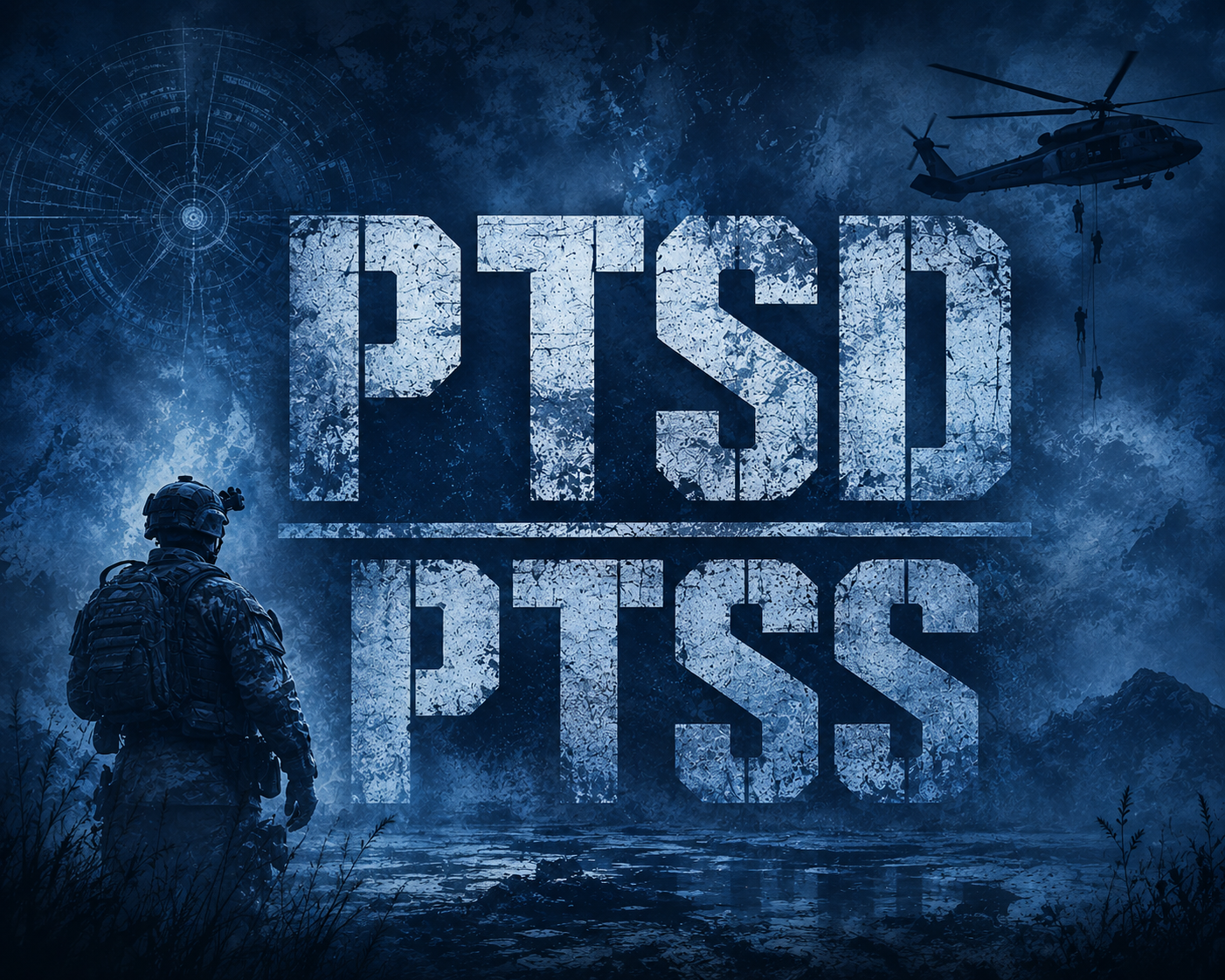
A study from the University of Arizona shows that blue light therapy can help people with post-traumatic stress disorder (PTSD) sleep better, experience less severe symptoms, and benefit more from their treatment. Good sleep is essential for both physical and mental health and plays an important role in processing traumatic experiences.

People with PTSD often get caught in a vicious cycle where sleep problems reduce the effect of therapy, while persistent symptoms further disrupt sleep. According to the researchers, morning blue light can break this cycle and help sustain the positive effects of therapy. In the study, 82 participants received 30 minutes of blue or amber-colored light each morning for six weeks. The group that received blue light showed significant improvements in sleep quality and PTSD symptoms. Additionally, they were better able to maintain the extinction of fear responses, while in the amber light group, old fear memories more often returned.
"While the study has limitations, such as the modest sample size and difficulties in controlling for treatment adherence, the potential for a treatment that is relatively simple, drug-free, and inexpensive offers hope for the large group of people who struggle with the severe challenges of post-traumatic stress disorder," said lead researcher Dr. William ‘Scott’ Killgore. "The data are promising," said Jordan Karp, professor and head of the Department of Psychiatry at the College of Medicine in Tucson. "This non-pharmacological intervention is a promising, life-changing, and possibly even life-saving option for people suffering from PTSD."
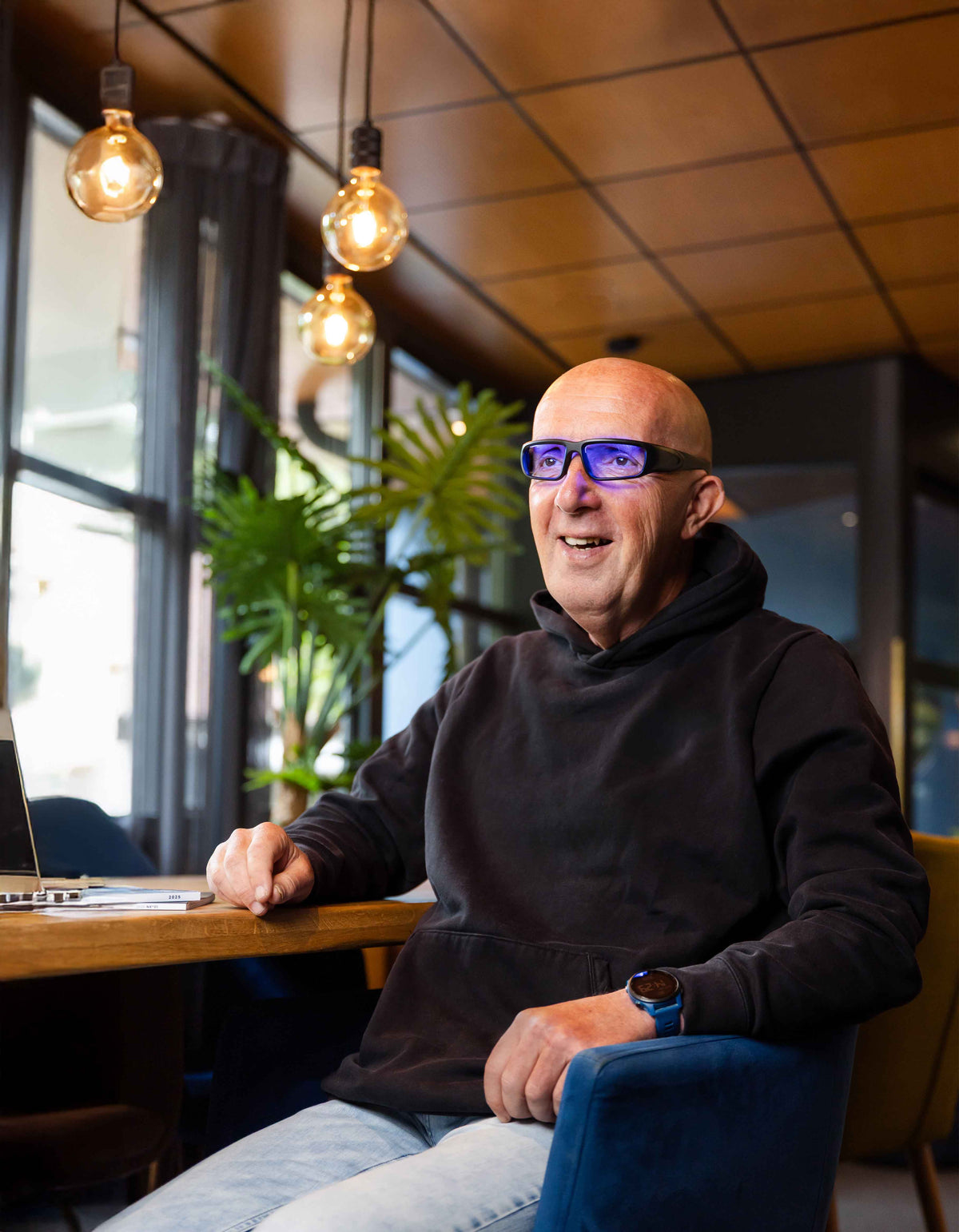
Additional research is currently underway using Propeaq for PTSD. We will keep you updated.
Source: University of Arizona Health Sciences. "Morning blue light treatment improves sleep in patients with PTSD." ScienceDaily. ScienceDaily, 1 November 2022. www.sciencedaily.com/releases/2022/11/221101195628.htm
Share: